Tankless or Demand-Type Water Heaters
If you’re like many people, you probably never think about where the hot water in your tap comes from. Many people aren’t even aware that there are different types of water heaters until they are faced with the task of selecting a water heater for their homes. Whether you want to replace your current water heater or are in search of the best option for your home, you’ll find that you’re faced with many options. Below, we discuss the pros and cons of having a tankless water heater. Read on to learn whether it would be a good option for you.
Tankless Water Heaters – How They Work
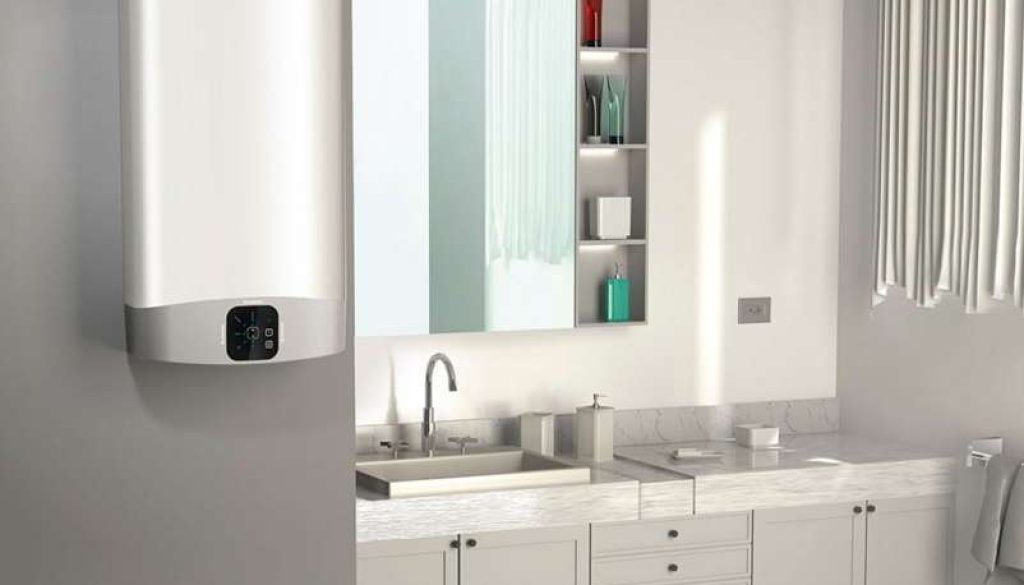
As the name suggests a water heater tankless system heats water without a storage tank. Water is heated instantaneously or on demand. This means that the water is only heated when a hot water faucet within the home is turned on.
So how do tankless water heaters work? When a hot water faucet is turned on, the cold water in the system flows through a heat exchanger. An electric element or a gas burner then heats the water. The water is delivered hot to the hot water faucet. These systems are therefore able to provide a continuous supply of hot water. You also don’t need to wait for a storage tank to fill up with hot water.
Advantages and Disadvantages of Tankless Water Heaters
There are many benefits of a tankless water heater. These include:
- Greater energy efficiency. On-demand water heaters can be up to 34 percent more efficient than water heaters with storage tanks. This will reduce your energy bills and save you money in the long term.
- Durability. Tankless systems typically last longer than conventional water heater systems. Many systems have a life expectancy of over 20 years compared to the 10 to 15 years of systems with storage tanks.
- Lower maintenance costs. Maintaining tankless systems is easy. The replacement parts are easy to find and install.
Tankless water heaters also have several cons. These include:
- A higher initial cost. The cost of installing a tankless system is typically higher than that of purchasing and installing a conventional water heater system with a storage tank.
Factors to Consider When Selecting a Demand Water Heater
There are several factors to consider when selecting a demand water heater system. These include those outlined below.
- Size
- Fuel type and availability i.e. gas or electric
- The unit’s energy efficiency
- The cost of purchase and maintenance
Tips for Further Improving Energy Efficiency of Your Unit
If you’ve opted for a demand water heater, you’ll enjoy great energy efficiency in heating water. However, you can further improve on this energy efficiency by:
- fixing leaky faucets
- using efficient showerheads
- installing low-flow fixtures
- Investing in energy efficient appliances
Tips for Installing and Maintaining Your Demand Water Heater
If you want to enjoy the many benefits of having a tankless water heater, you should ensure that it is installed properly. You should also invest in maintenance to optimize its efficiency. Choose a qualified plumber to install your water heater. You should also use a qualified and experienced plumber for maintenance.
Regular maintenance will help to extend the water heater’s life. It will also help to minimize loss of efficiency. Refer to the owner’s manual for guidance on specific maintenance for your unit.
Call Snofalls Plumbing for Answers to All Your Water Heater Installation Questions
Are you considering a tankless water heater for your home? Contact us, Snofalls Plumbing for expert water heater installation North Bend services. Our staff will be happy to answer any of your questions. We will guide you through every step of the installation process from the selection of a unit to its installation.