The Impact of Hard Water on Your Plumbing System and How to Solve It
What is Hard Water and is it really that bad? These are questions we get asked a lot, especially by homeowners. Many homeowners only become aware that they have hard water when they begin to encounter issues with their plumbing and appliances. But hard water can also be harmful to your health. Taking a proactive approach is therefore vital for protecting not just your plumbing system and appliances but also your household’s health. Below, we take a look at exactly what this entails.
Is Hard Water Bad For You?
Before answering this question, it is important to understand exactly what hard water is. It can be defined generally as water that contains high concentrations of minerals. A high concentration of magnesium and calcium is of particular concern. Calcium is good for bone growth and development in the body. Magnesium is required for many processes in the body. However, drinking hard water frequently can cause digestive issues. It can also result in other health issues such as the development of kidney stones and problems with the nervous system.
Effects of Hard Water
Hard water can greatly impact the efficiency and lifespan of appliances. It causes scale buildup. This can cause clogging or damage to components in appliances. It can also result in decreased efficiency in performance and an increase in energy consumption. Below are some specific ways that water with high mineral concentrations can impact different appliances.
- Dishwashers – The buildup of scale results in poor circulation of water. This means dishes won’t be cleaned properly. You may also notice streaks and spots on dishes. Clogging and scale build-up may also result in frequent breakdowns.
- Washing machines – build of scale can cause clogging of the water inlet valve and decreased cleaning efficiency. You may also need to use more detergent and notice that your clothes are stiff, dingy, and have streaks.
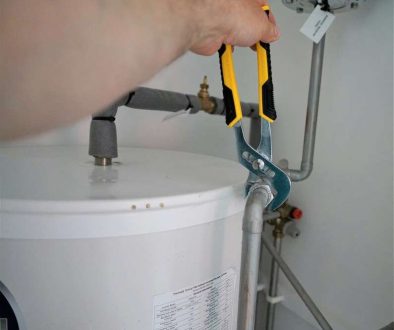
- Water heaters – scale build-up can result in reduced efficiency and higher energy bills. Your water heater may also break down more frequently.
Do I have Hard Water? Signs That You Have Hard Water
One of the easiest ways to tell if you have hard water is by checking your plumbing for scale build-up. You may notice a white or yellow powdery substance on your showerhead, spray nozzles, or around your faucets. You may also notice a white residue on your dishes, especially glass, after cleaning them.
What to do About Hard Water
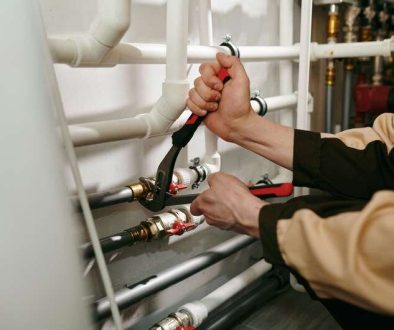
The best way of dealing with hard water is by installing a water softener. These are designed to remove excessive minerals. A whole-home softener will remove minerals from all the water coming into your home. This means that you won’t have to worry about the effects of the minerals on your appliances and plumbing. These types of softeners must be installed by a professional plumbing company to ensure efficacy and safety.
Types of Water Softeners
- Ion exchange
These softeners replace the calcium and magnesium ions in the water with sodium or potassium ions, hence the name. The systems have a brine tank where the salt formed as a result of the ion exchange is stored. The beads require occasional regeneration and a flushing cycle must be run to get rid of the salt. These systems are safe, simple, and effective.
- Template-assisted crystallization (TAC) technology
These salt-free softeners work by causing the production of stable crystals that aren’t known to stick to surfaces. They thus prevent scale build-up. They are capable of reducing hardness by over 90% and there is no need for regeneration or backwashing. This makes them a better option for the environment.
- Magnetic and electronic water conditioners
These use an energy field to prevent the precipitation of the minerals. The minerals therefore cannot attach to surfaces and pass through without causing damage.
If you’re looking for a solution to your hard water problem, contact us, at Sno Falls Plumbing. We’d be happy to help.